JETRAY / Battery engineering & sourcingShenzhen, Chinasale1@jetray.cn ↗
JETRAYLithium Polymer BatteriesBlog
01

Pouch-cell format

Document the complete envelope

02

Mechanical envelope

Describe the charge system

03

Charging & protection

Validate the assembled device

01 / The collection

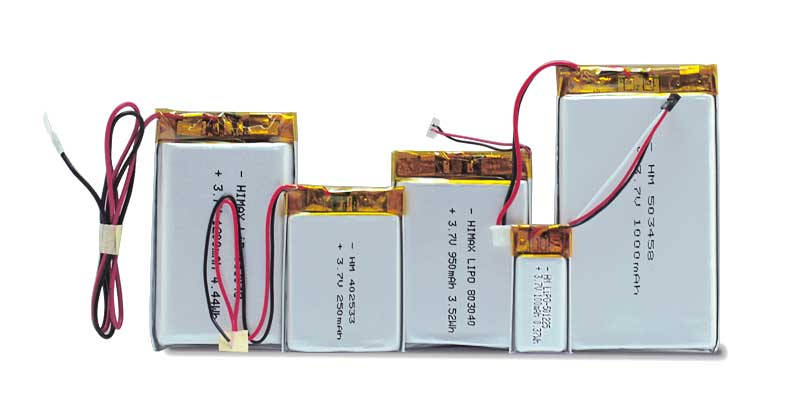
Start with the right product reference.

Catalogue data is a starting point. Confirm the current model specification and application requirements before design-in.

View all specifications
02 / Engineering perspective

A specification built around the work.

Lithium Polymer Batteries selection starts with the equipment. Use electrical, mechanical and operating requirements to create a clearer supplier conversation.

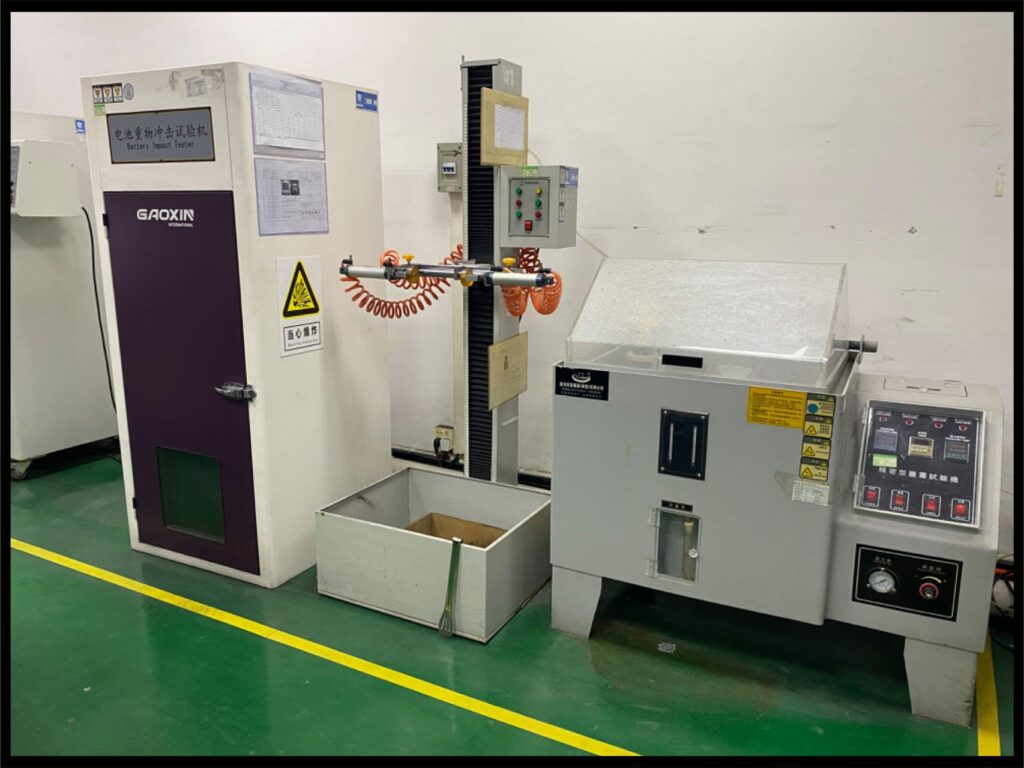
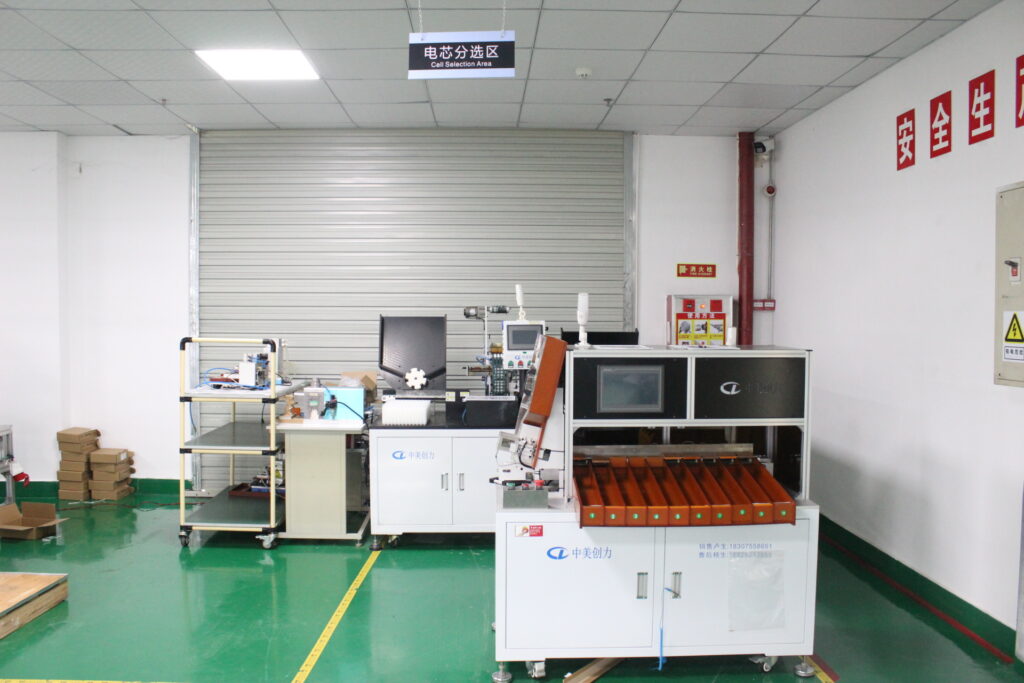
Production workspace shown on the Jetray factory website

Photography from Jetray’s published factory page.

Document the complete envelope

Share dimensions, tolerance, lead length and connector direction. Allow for the manufacturer's mechanical guidance.

Describe the charge system

Provide the charger or charging IC details, voltage limits and temperature monitoring requirements.

Validate the assembled device

Evaluate the battery in its actual enclosure under normal and expected worst-case operating conditions.

03 / Application planning

See the system around the battery.

Each application needs its own integration review. A similar voltage or physical format does not establish compatibility.

01

Portable devices

Plan the battery envelope alongside the enclosure, display and circuit-board stack-up.

Review requirements
02

Wireless instruments

Include standby load, radio transmission peaks and charging frequency in the specification.

Review requirements
03

Compact consumer products

Review connector orientation, cable routing and assembly handling with the supplier.

Review requirements
APPLICATION CASE FILES / COMPACT POUCH-CELL POWER

See the decisions behind an application.

Explore practical planning briefs for lithium polymer batteries: the operating challenge, integration approach and sample-review questions.

These are application planning examples, not documented customer deployments. Factory photographs are from the Jetray corporate website and do not identify a customer project.

04 / Blog & technical insights

Useful answers for better decisions.

Practical guidance for engineers and purchasing teams, with sources for further review.

05 / Questions, answered

Before you specify.

Keep the important decisions visible.

Can a pouch cell fit any available space?

A pouch format offers packaging flexibility, but the exact cell dimensions, tolerance and mechanical allowances must be confirmed. Do not compress or reshape a cell to fit.

How should capacity be specified?

State the required runtime and power profile alongside capacity. Include the test voltage window, discharge rate and temperature when comparing ratings.

Are these bare cells or protected batteries?

The protection configuration is model-specific. Confirm whether the quoted product includes a protection circuit, thermistor, leads and connector.

What dimensions should I provide for a custom LiPo battery pack?

Provide the complete available envelope, tolerance, mechanical allowance, lead direction, connector and mounting or retention approach. Follow the selected cell manufacturer’s mechanical guidance.

How can I compare LiPo capacity ratings at different discharge rates?

Compare ratings at matching voltage windows, discharge rates, cutoff conditions and temperature. Relate capacity to the equipment’s measured load and runtime requirement.

What must be confirmed before a LiPo prototype becomes a production pack?

Align the approved configuration, drawing revision, cell and protection details, connector, test criteria and required documentation. Record material changes before production acceptance.

A useful conversation starts with a specification

Tell us what your equipment needs.

Share the load, dimensions and intended use. Ask for a current model specification and a project review.

Discuss your project

Product comparison